




Hot




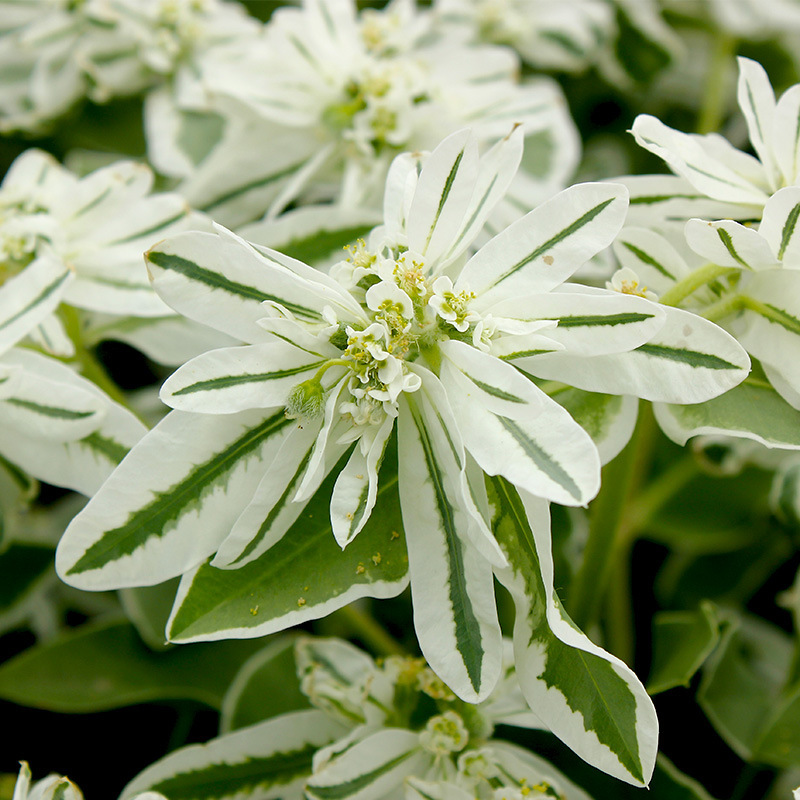

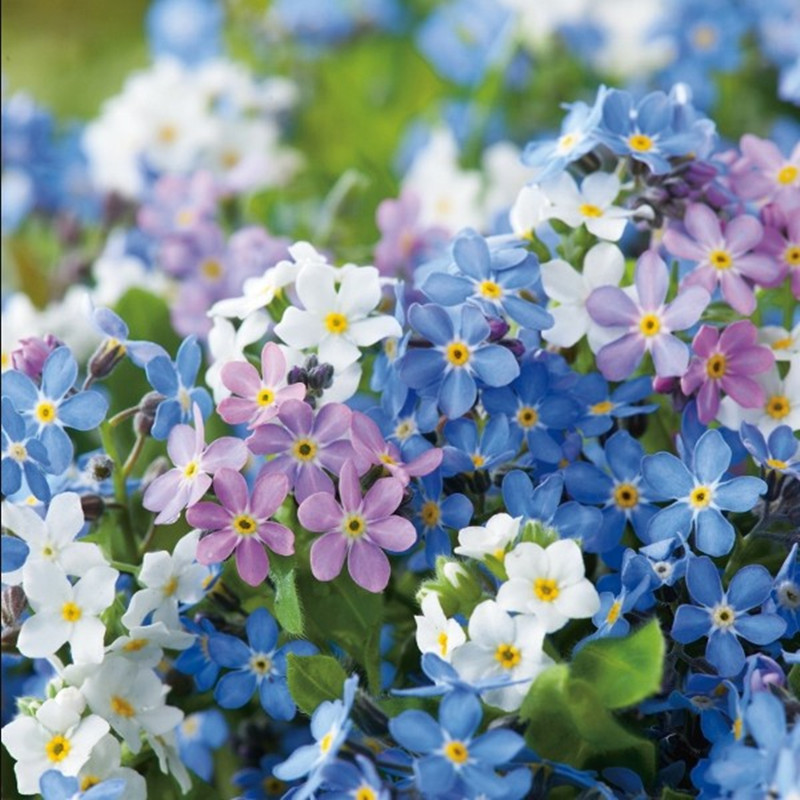
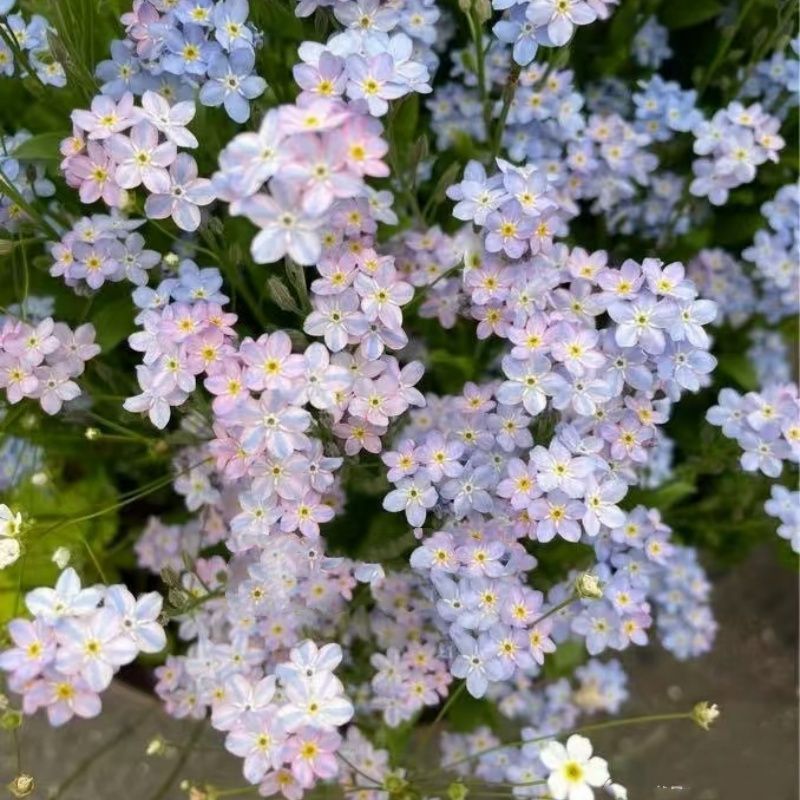


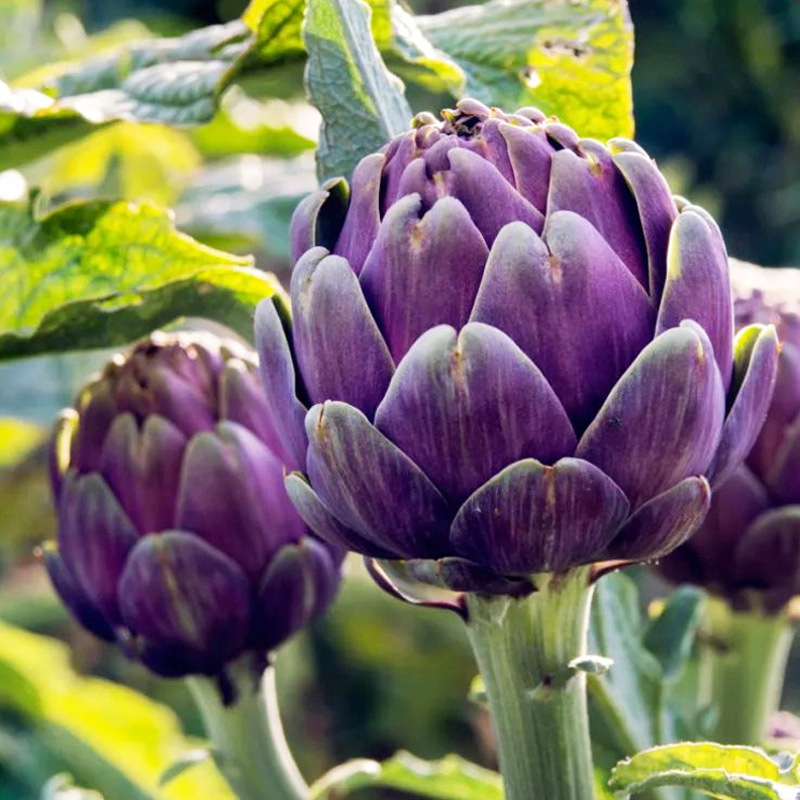


8 Recommended Cornflowers
Cornflower(Centaurea cyanus L.)is a kind of charming annualplant.
It grows upright with grey-green branches. The stems are covered i...

7 Recommended Lettuces
Lettuce (Lactuca sativa L.) is an annual herbaceous plant suitable for cool seasons. It has a short stem and forms a lotus seat shape n...

Planting Asclepias Seeds
BOTANICAL NAME
Asclepias tuberosa
PLANTING SEASON
Spring
BLOOM SEAS...

Planting Lettuce Seeds
BOTANICAL NAME
Lactuca sativa.
PLANTING SEASON
Spring
BLOOM SEASON ...

What is daisy?
Daisy (Belliz perenniz) iz a belowed perennial herbaceous plant that adorns gardens from early spring to late summer with its long flow...

Planting Arugula Seeds
BOTANICAL NAME
Eruca vesicariasubsp
Plant Life Cycle
Annual
PLANTIN...

Planting Calendula Seeds
BOTANICAL NAME
Calendula officinalis
PLANTING SEASON
Spring,Fall
BL...

Planting Basil Seeds
BOTANICAL NAME
Ocimum basilicum L.
PLANTING SEASON
Cool Season
LIFE...

Planting Artichoke Seeds
BOTANICAL NAME
Cynara scolymus
Plant Life Cycle
Perennial
PLANTING ...
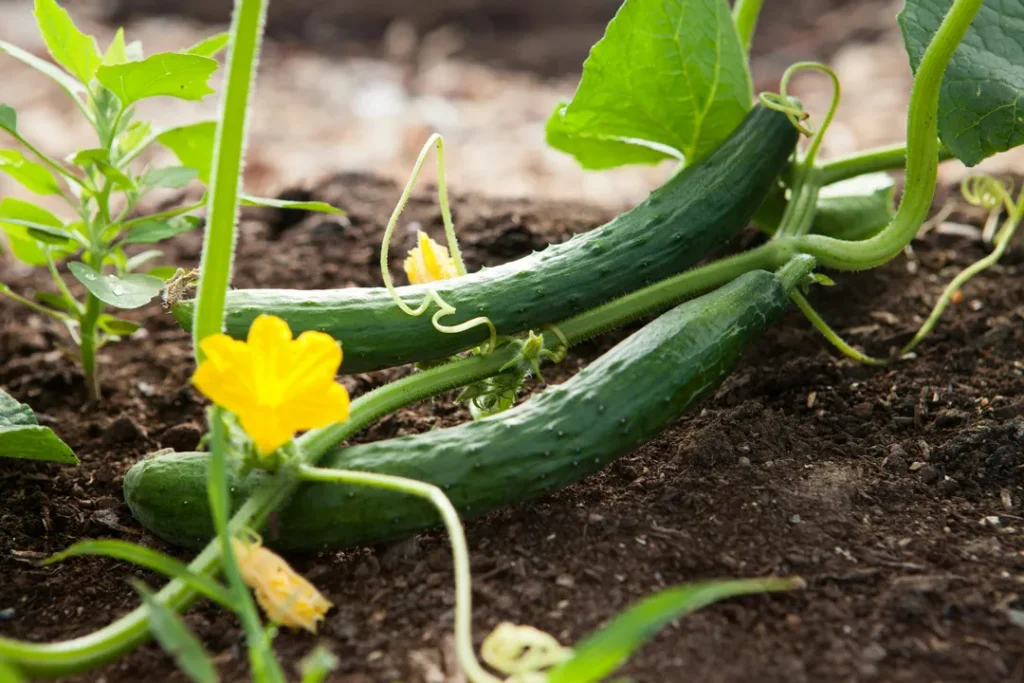
Cucumber Recommend
Cucumber (Cucumis sativus) is an annual vining herbaceous plant belonging to the Cucurbitaceae family. It offers crisp, refreshing frui...
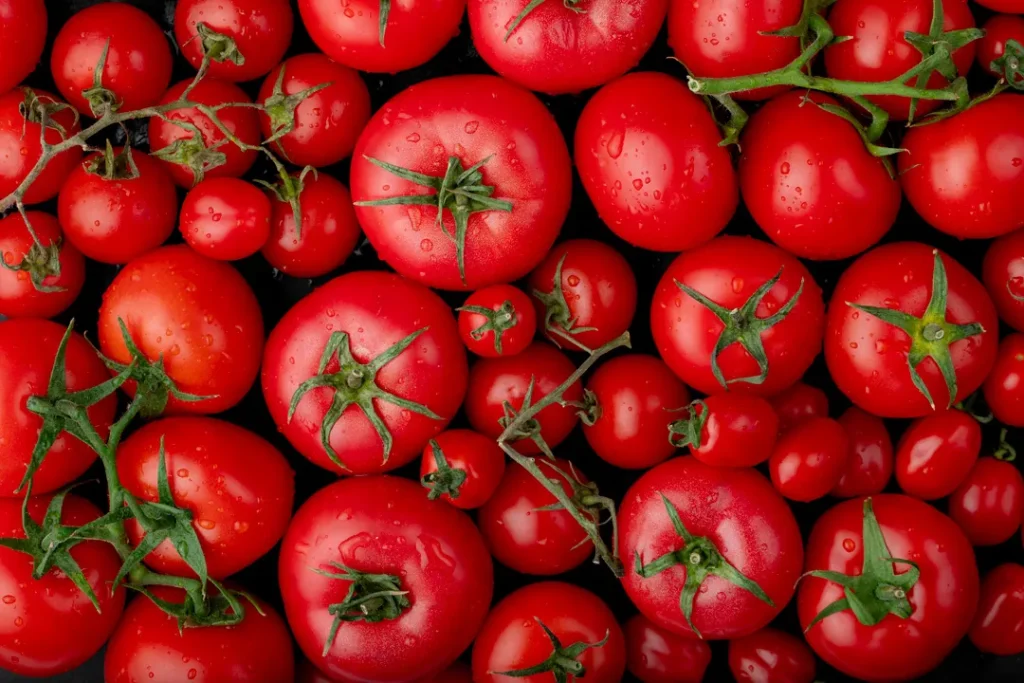
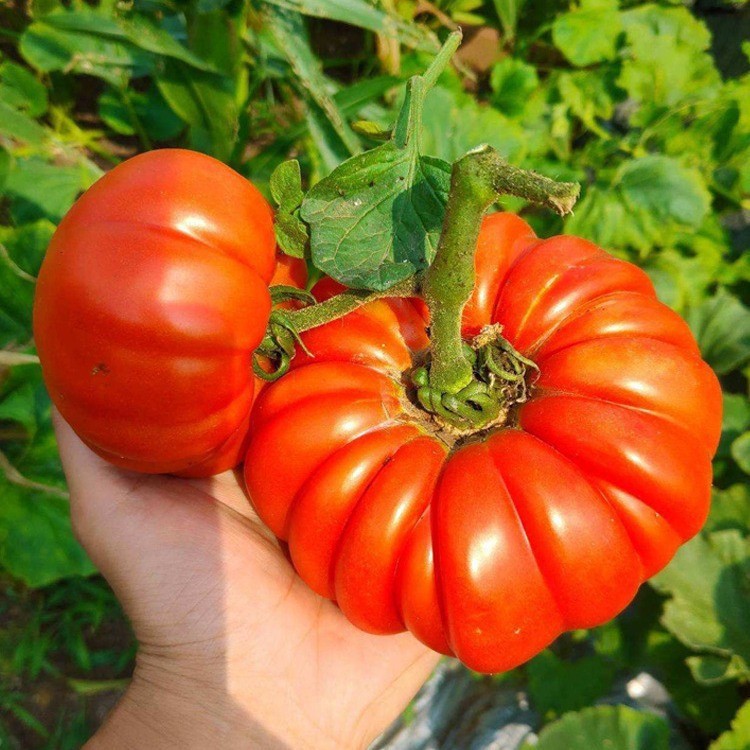
Planting Tomato Seeds
BOTANICAL NAME
Lycopersion esculentum
PLANTING SEASON
Warm Season
P...

Top 6 Recommend Onions
Onion (Allium cepa) is a cool-season biennial commonly grown as an annual for its crisp, pungent or sweet bulbs and edible green tops. ...

Arugula Recommend
Arugula (Eruca vesicaria subsp. sativa (Mill.) Thell.) is a fast-growing, cool-season annual in the Brassicaceae family,...

Planting Butterfly Pea Seeds
BOTANICAL NAME
Clitoria Ternatea
PLANTING SEASON
Spring
BLOOM SEASO...

Planting Cornflower seeds
BOTANICAL NAME
Scientific Name Centaurea Cyanus
PLANTING SEASON
Fall, Spring ...

Amaranth Recommend
Amaranth (Amaranthus spp.) is a fast-growing, heat-loving annual valued for edible leaves, nutritious seeds, and bold ornamental plumes...

Planting Amaranth Seeds
BOTANICAL NAME
Amaranthus tricolor L.
PLANTING SEASON
Spring
...

Planting Ageratum Seeds
BOTANICAL NAME
Ageratum houstonianum
Plant Life Cycle
Annual
PLANTI...

Garden Combinations
Do you always worry about don‘t know how to companion planting in the garden? Are you worried about not being able to grow more types o...
6 Recommend Mint
Mint (Mentha canadensis Linnaeus)is a refreshingly aromatic herb beloved for its cooling flavor and easygoing nature. With varieties ra...