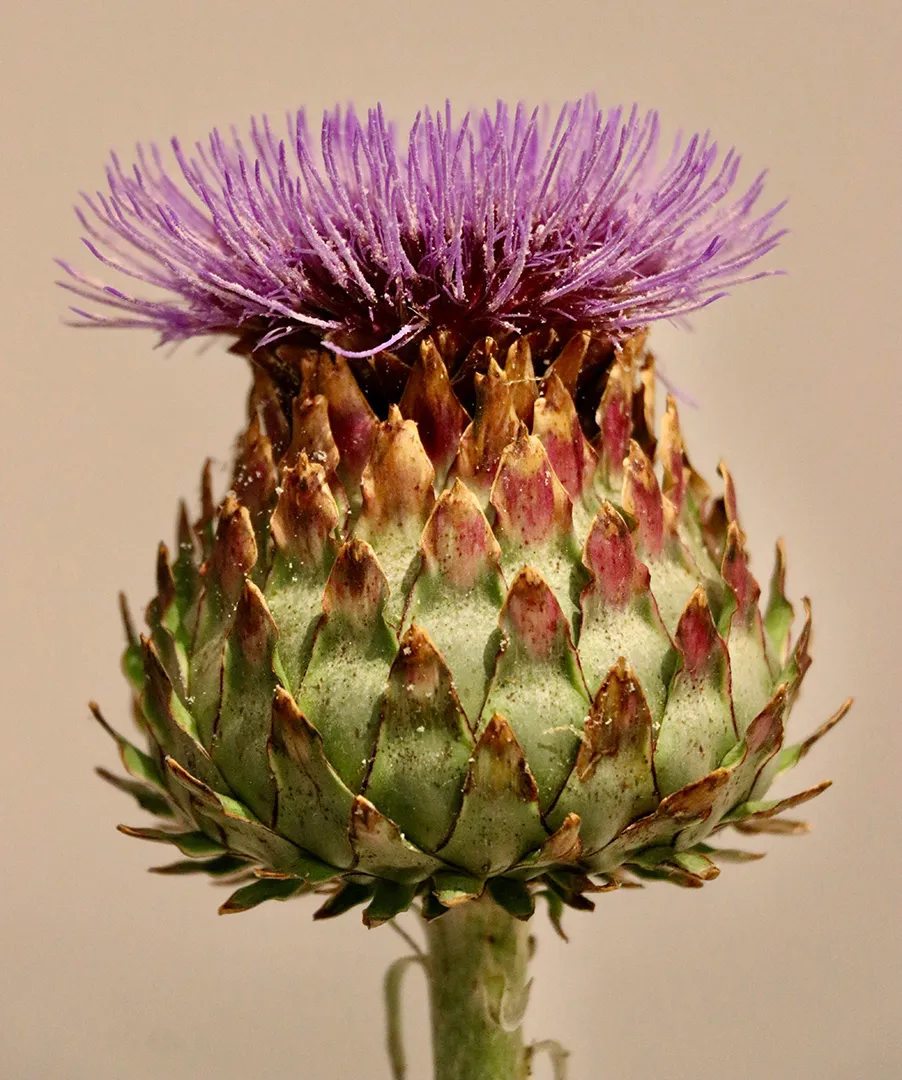
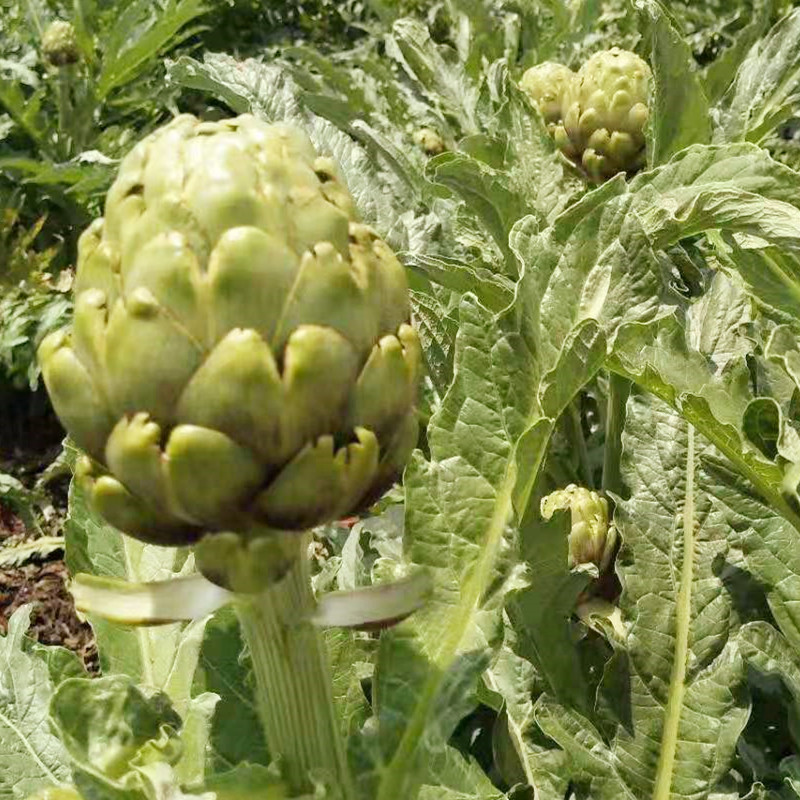
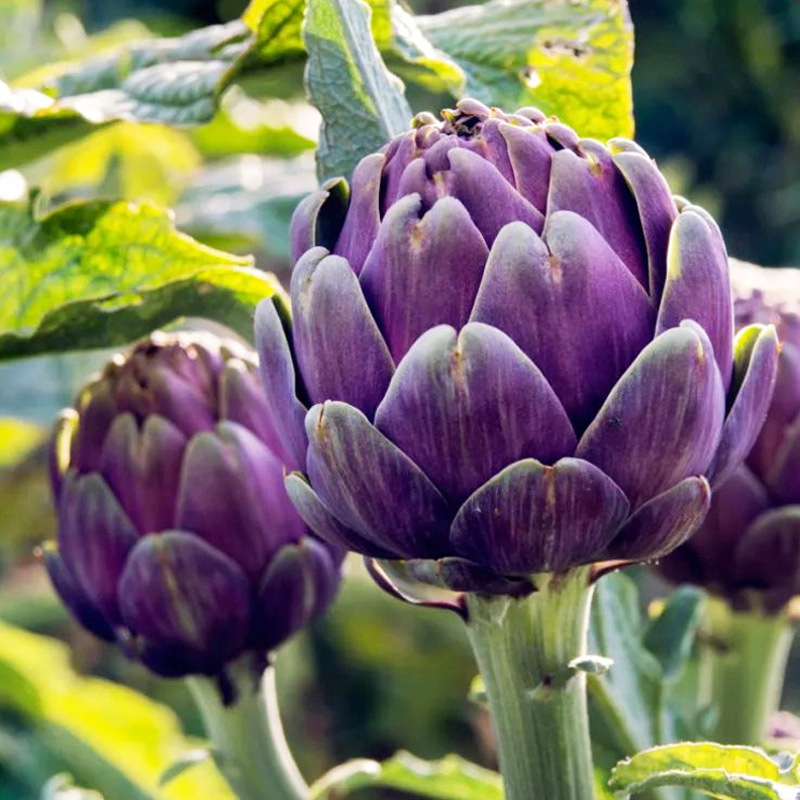
Would you want to add some beautiful and yummy giants in your garden? Try the artichoke, this kind of perennial plant with silvery-green leaf,not only produces yummy buds, but also be spectacular when it blooms. It must make your garden stand out.
How to Choose Artichoke Seeds
If you live in an area with relatively cold winters and want to harvest artichoke seeds in the first year, it is best to choose seeds that have been every frozen. For it, this is a carefully designed “scam” that induces it to bloom early. Remember to adapt to local conditions and choose the plants that are most suitable for your planting environment, which may be seen on the packaging you purchase.
Where to Plant Artichoke Seeds
Artichoke is a big guy, and its growth is destined to require sufficient space and nutrition. Therefore, you should find a place with abundant sunshine and shelter from strong winds for it to settle down. Fertile soil can provide nutrients for them, and slightly alkaline soil is their favorite. Drainage must be done well, as they do not like to drink too much water. Remember to mix more fertilizer into the pit when digging, and it will make a good bite.
When to Plant Artichoke Seeds
If you want to enjoy your own artichokes on time, the planting time is crucial. The best period for indoor planting is 8-12 weeks before the last frost in winter, as the seedlings need to experience this cool period to successfully grow buds. Once there is no longer any threat of frost outside, you can transplant them outdoors.
How to Plant Artichoke Seeds
When sowing, bury the seeds about 6 millimeters deep in the soil, preferably in individual small flowerpots. Once the seedlings have grown a few true leaves and the weather warms up, gradually acclimate them to the outdoor environment before transplanting. Remember to leave at least 90 to 120 centimeters of space between each artichoke plant to give them enough room to grow. When transplanting, make sure to dig a large and deep hole to ensure the roots can spread out. After planting, cover the soil just above the roots, and then water thoroughly.
How to Care for Artichoke Seeds
Artichokes thrive in moist soil, especially during the budding stage, where sufficient moisture is crucial. Deep and thorough watering encourages their roots to grow deeper. Placing a thick layer of mulch (such as straw or bark) around the plants not only retains moisture but also prevents weed growth. During the growing season, they require a lot of nutrients, so remember to regularly apply a balanced fertilizer or homemade compost liquid. After harvesting in autumn, cut off the old stems that have already flowered (to conserve energy and promote new growth). Before winter arrives, cover the roots with thick straw or dried leaves to help them stay warm through the winter. If your winter is particularly cold, you may have to dig up the entire plant and move it indoors for the winter.
How to Harvest Artichoke Seeds
The buds are covered with scales, plump and firm, which excites you. This means that the artichoke seeds can be harvested at this time. But remember to cut it down before the buds open. Keep its stem to see its beautiful flowers bloom. When the flowers are fully open, you can save the seeds.
From a small seed to the deliciousness on the plate, the process of planting artichoke seeds is full of a sense of achievement. These beautiful guys not only decorate the garden, but also the moment of harvest and tasting is an unparalleled enjoyment. The joy and connection of cultivating by hand are far beyond what can be compared to buying a vegetable from a supermarket. This season, why not try this unique gardening challenge.