
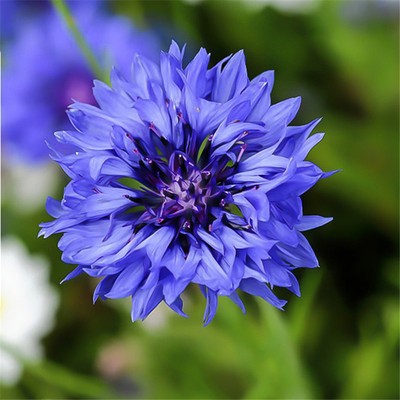
Planting Cornflower seeds
Scientific Name Centaurea Cyanus
Fall, Spring
Spring through Summer
Cornflowers are bright, cheerful flowers that are easy to grow. They are also called “bachelor’s buttons” and come in many colors, including blue, pink, purple, and white. Not only are they pretty to look at, but they also attract bees and butterflies to your garden. Because they are annuals, they grow from seed, bloom, and produce new seeds all in one year. If you want to grow cornflowers in your garden, here is a simple guide to help you get started.
How to choose Cornflower Seeds
Choosing cornflower seeds? Easy! First off all, black is the way to go—those are the ripe, good-to-go ones. Give the thin or flat seeds a miss, you want them nice and plump. A bit of a shine is a good sign too, means they’re fresh. Definitely avoid damaged or old-looking seeds. Pick wisely, and your cornflowers will thrive!
Where to plant Cornflower Seeds
Cornflowers are easy to survive as long as you choose the right place. Find a place in your yard or window sill where can be exposed to sunlight for a long time. It doesn’t pick soil, but a softer and better draining soil can prevent root rot. If the soil in the place you choose is too sticky, you can mix some sand and neutralize it. When planting, remember to clean up the clutter. It likes a ‘clean’ environment, and similarly, do not plant under trees, as shading will prevent it from growing.
When to plant Cornflower Seeds
You can toss seeds in early spring, once frost is gone. Or, if you want summertime blooms, wait ’til soil feels warm—like late spring. And some gardeners plant in fall too! Cornflower seeds hang out through winter, then pop up early next year. Just sprinkle ’em on loose dirt, pat gently—don’t bury deep! Keep damp at first (not drenched!) till they sprout. After that? They’re hardy—no big deal. So pick your season: spring OR fall—either works!
How to Plant Cornflower Seeds
To plant the cornflower seeds, start by preparing a sunny spot in your garden. Cornflowers love full sun. Loosen the top layer of soil and remove any weeds or stones. Then, scatter the seeds lightly over the soil—don’t plant them too close together. Gently press them into the soil or cover them with a very thin layer of soil (about 3 mm). Water them lightly with a watering can. Keep the soil moist but not soggy until the seeds sprout, which usually takes 7–14 days.
How to Care for Cornflowers
After the seedlings are unearthed, do not let them squeeze together and “curl up”! Remove some weak ones and leave a 15-20 centimeter “deluxe single room” for the remaining seedlings. Only when the living space becomes larger can one grow stronger and more robust. Remember, cornflowers like to drink heavily but dislike taking baths. When the weather is dry, water it quickly, but please aim at the roots of the soil and don’t directly cover the leaves – they don’t like pouring rain and are prone to catching a cold. The flower has come to an end, don’t feel sad or conflicted, remove it and leave the stage for those who come later.
With just a little care, your cornflowers will bloom all summer and bring color and life to your garden.